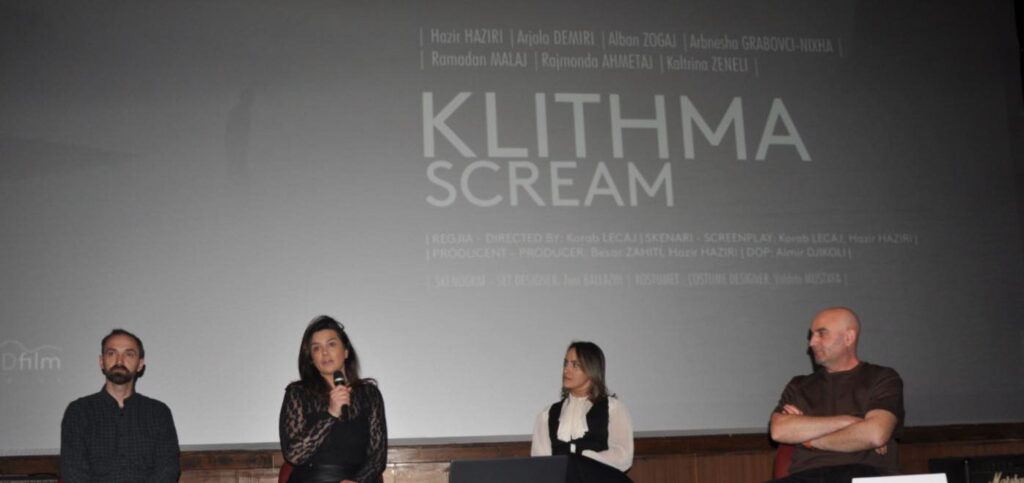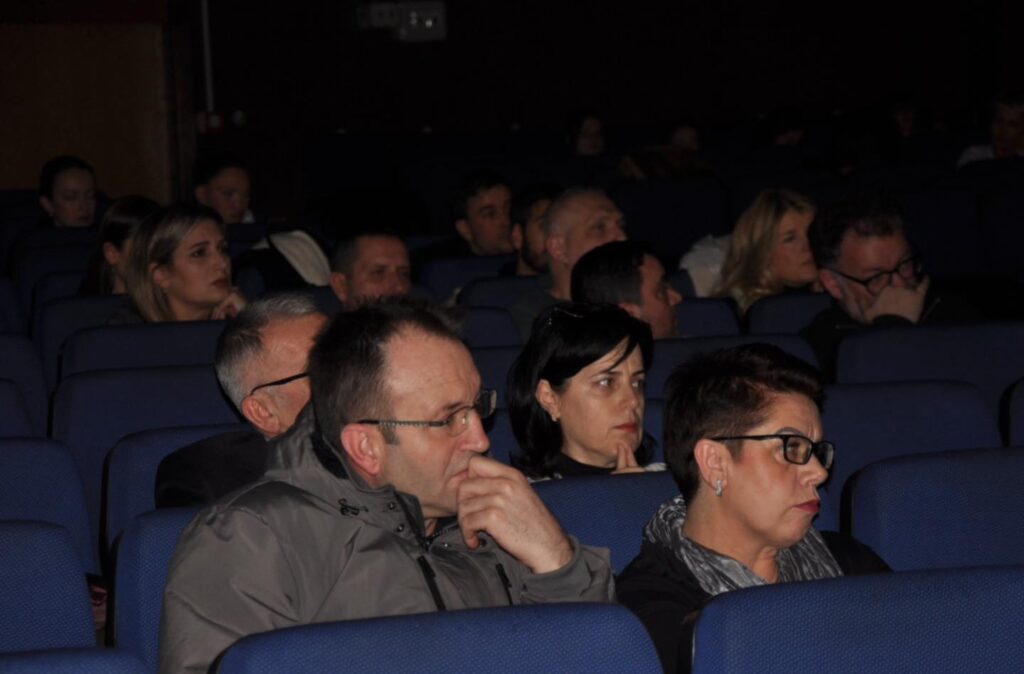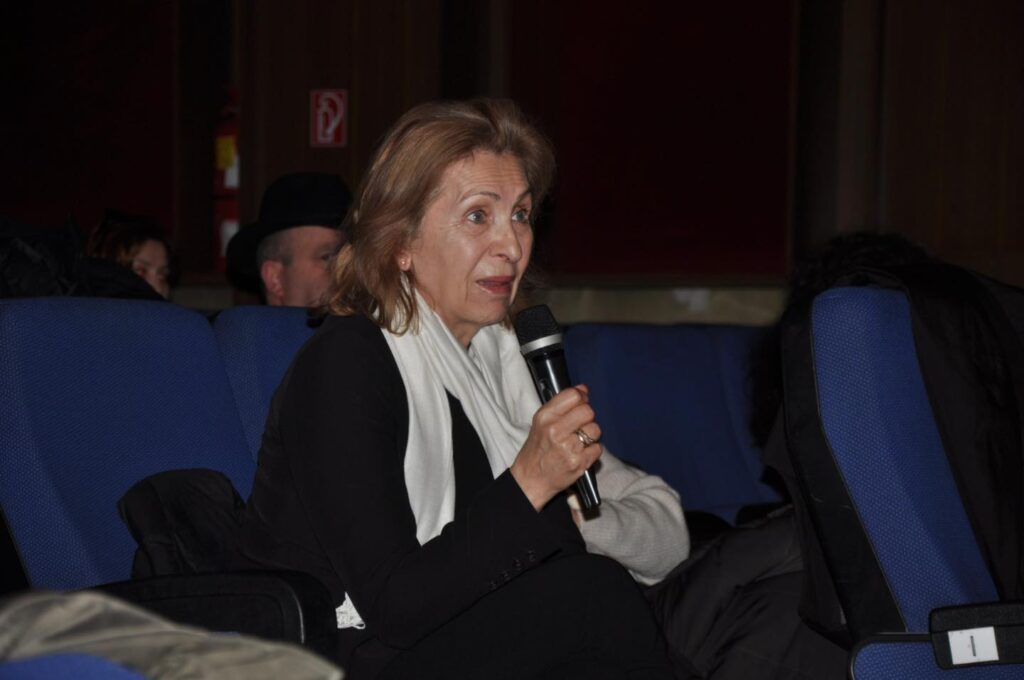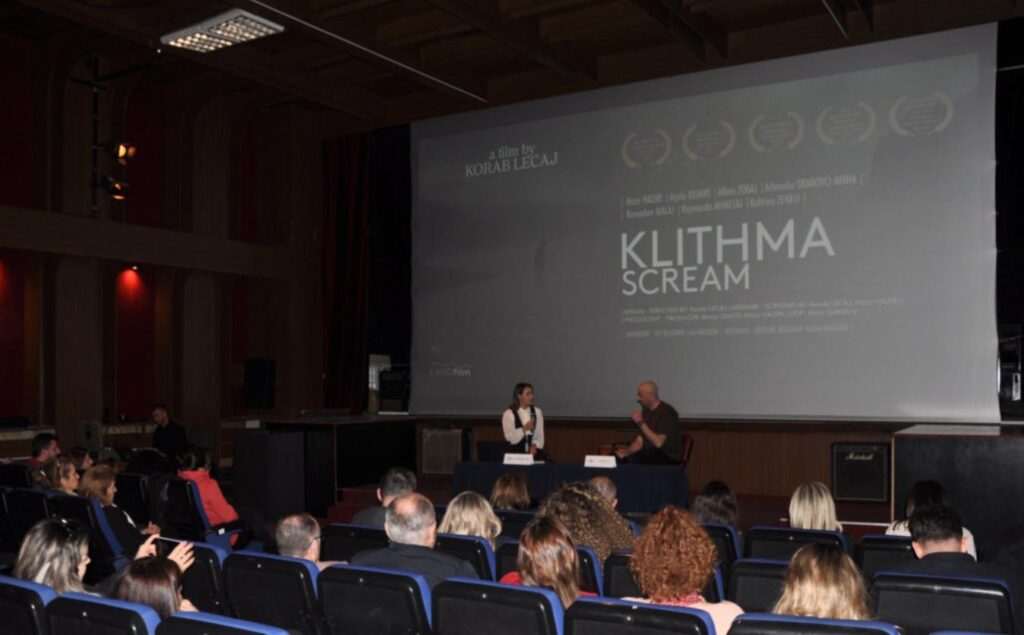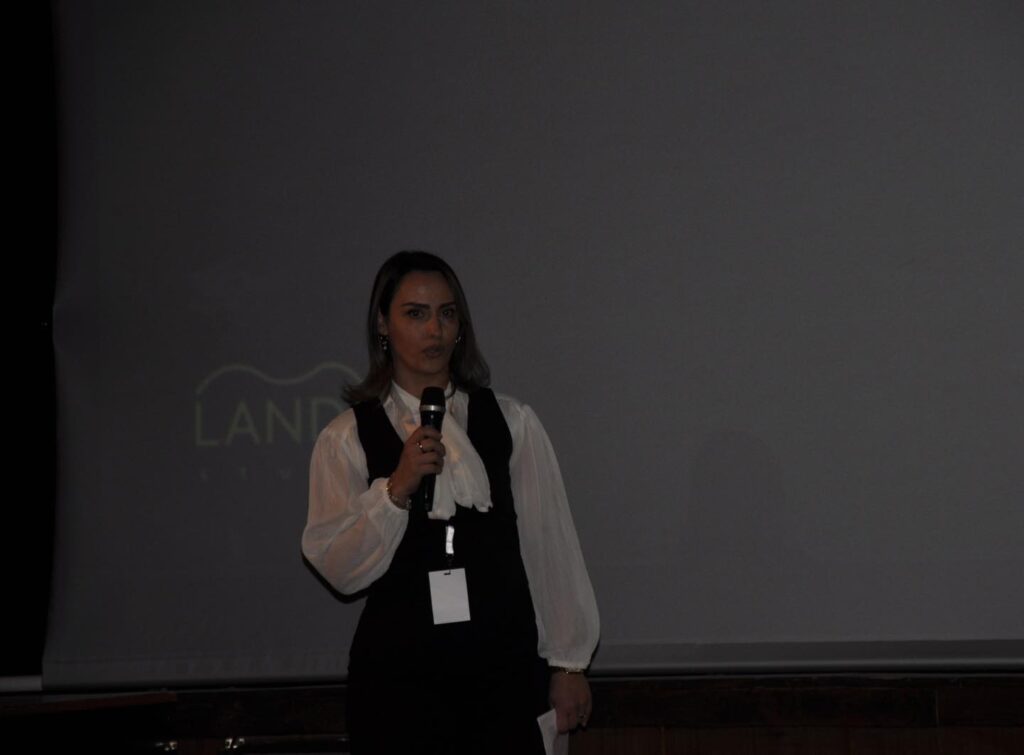

Pas shfaqjes së filmit, u zhvillua një diskutim me regjisorin Korab Lecaj, i moderuar nga Rrezarta Ahmeti, ku u trajtuan përvojat dhe pasojat afatgjata fizike, psikologjike dhe sociale të dhunës seksuale ndaj meshkujve gjatë luftës në Kosovë. Filmi evidenton stigmatizimin, heshtjen kolektive dhe vështirësitë familjare e martesore me të cilat përballen të mbijetuarit. Lecaj theksoi se qëllimi kryesor ishte informimi dhe krijimi i empatisë, duke përdorur kinematografinë si mjet për të hapur hapësirë që viktimat të flasin publikisht dhe të përballen me traumën dhe stigmatizimin.
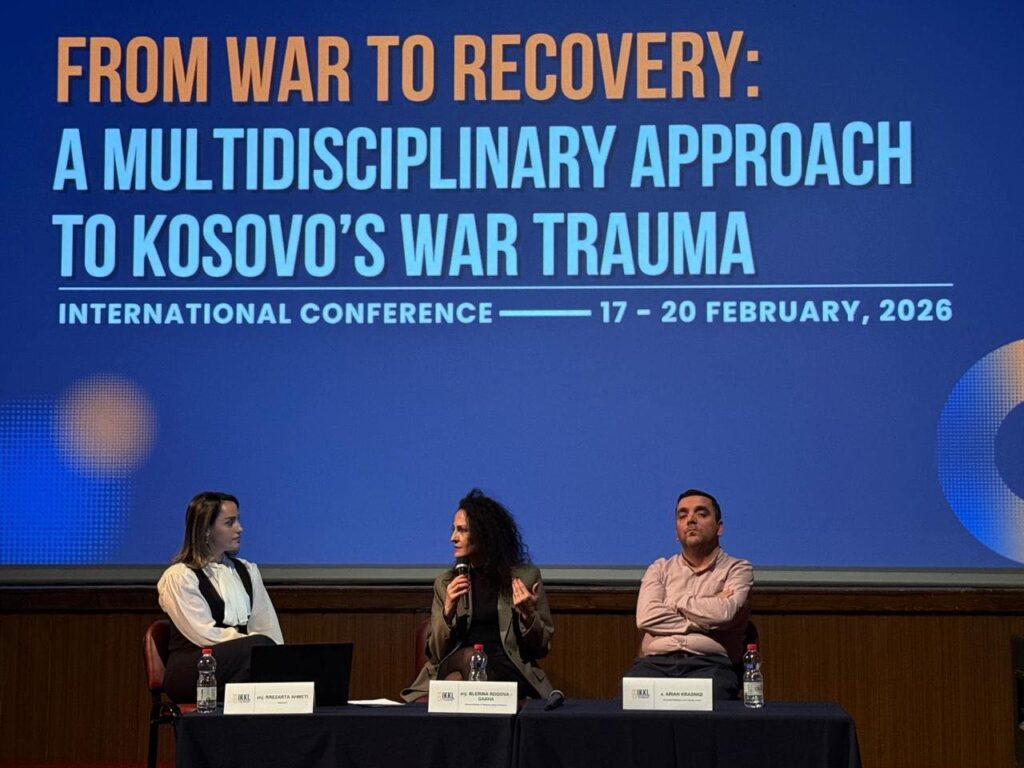
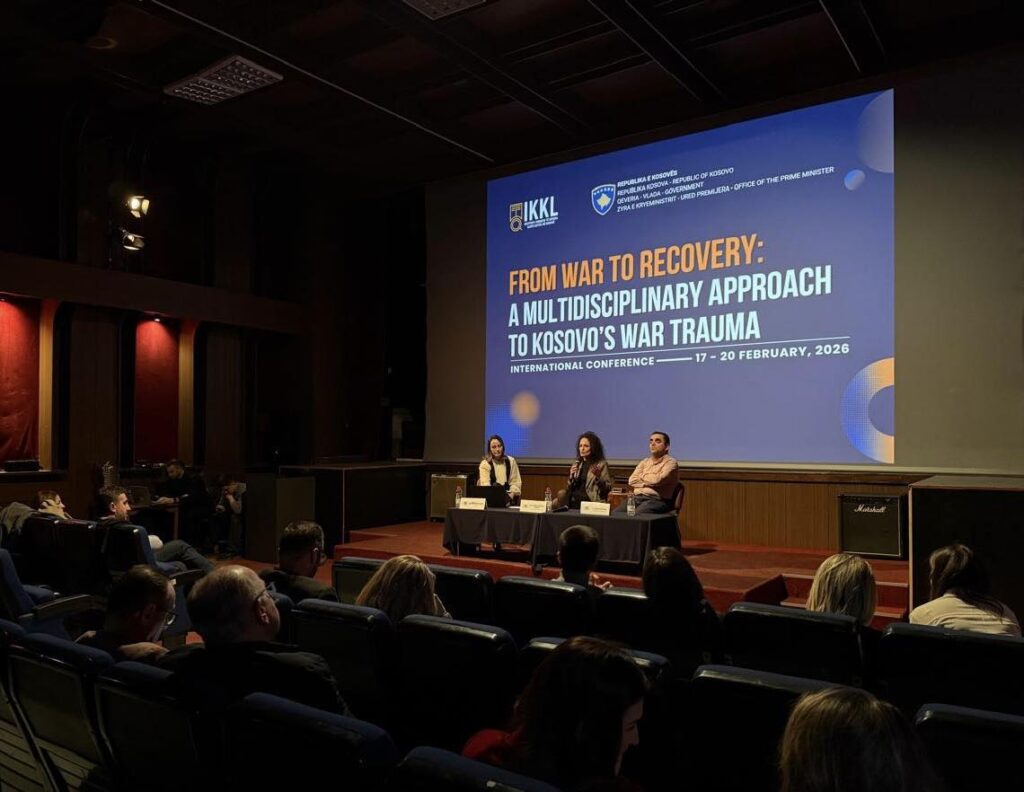
Më tej, paneli i pestë me titull “Interpretimi i luftës përmes artit: Duke kujtuar Kosovën”, trajtoi rolin e artit në interpretimin estetik dhe memorializimin e përvojës së luftës. Blerina Rugova-Gaxha theksoi obligimin etik dhe artistik për dokumentimin e luftës në letërsi, duke analizuar letërsinë e pasluftës si dëshmi të autorëve përjetues që ndërtojnë lidhje mes përvojës historike dhe krijimit letrar. Arian Krasniqi diskutoi ndikimin e filmave me tematikë lufte dhe evidentoi mungesën e mbështetjes institucionale dhe sfidat strukturore që pengojnë trajtimin më të gjerë të kësaj teme në kinematografinë vendore.
Filmi dhe panelet nënvizuan domosdoshmërinë e dëgjimit të përvojave të të mbijetuarve dhe fuqinë e artit si mjet dokumentimi, reflektimi dhe ruajtjeje të kujtesës historike, duke kontribuar në rikthimin e dinjitetit dhe njohjes sociale për viktimat.
———————
The second film night of the Scientific Conference concluded with the screening of the film “Klithma” and two discussion sessions that deepened reflection on wartime sexual violence and the role of art in shaping collective memory.
Following the screening, a discussion was held with the film’s director, Korab Lecaj, moderated by Rrezarta Ahmeti. The conversation addressed the experiences and long-term physical, psychological, and social consequences of sexual violence against men during the war in Kosovo. The film highlights stigmatization, collective silence, and the family and marital challenges faced by survivors. Lecaj emphasized that the primary aim was to inform and foster empathy, using cinematography as a tool to create space for victims to speak publicly and confront trauma and stigma.
The fifth panel, titled “Interpreting War through Art: Remembering Kosovo,” focused on the role of art in the aesthetic interpretation and memorialization of the war experience. Blerina Rugova-Gaxha underlined the ethical and artistic obligation to document war in literature, analyzing post-war literature as testimony from authors who experienced the conflict and who build connections between historical experience and literary creation. Arian Krasniqi discussed the impact of war-themed films and pointed to the lack of institutional support and structural challenges that limit broader engagement with this topic in local cinematography.
The film and the panels underscored the necessity of listening to survivors’ experiences and the power of art as a means of documentation, reflection, and preservation of historical memory, contributing to the restoration of dignity and social recognition for victims.